Mobile phones did not arrive all at once. Their history combines portable radio communication, smaller electronic components and a network model that could serve many users across the same area. What began as expensive specialist equipment became a familiar personal device used for calls, messages, photography, navigation and access to information.
The term “cellular” refers to the way a service area is divided into smaller coverage zones. Each zone connects through base stations, allowing a call to continue as a user moves from one area to another. This arrangement made widespread mobile communication more practical than earlier, limited mobile-radio systems.
From mobile radio to the handheld phone
Two-way radio systems had long been used in vehicles and by professional services. Building a telephone that could be carried by one person required improvements in batteries, radio equipment and compact electronic circuits. In 1973, an engineer at Motorola made a widely noted public demonstration of a handheld cellular telephone. It was a landmark moment, though commercial service and mass ownership were still years away.
Early handsets were large, costly and comparatively limited. The Motorola DynaTAC, introduced commercially in the United States in 1983, became an enduring symbol of the first generation. It offered a new kind of mobility, but its price, size and battery life meant it was initially beyond most households.
- 1973A handheld cellular telephone is publicly demonstrated in the United States.
- 1983The DynaTAC becomes one of the first commercially available handheld cellular phones.
- 1990sDigital networks, smaller handsets and text messaging broaden everyday use.
- 2000sCamera phones and internet-capable devices reshape expectations of a phone.
- 2007 onwardTouchscreen smartphones consolidate communication, media and computing functions in one device.
Smaller devices, wider ownership
During the 1990s, digital mobile standards helped increase capacity and improve call quality. Manufacturers produced lighter phones with longer-lasting batteries, while network expansion made mobile service available to more customers. Nokia and other makers became widely associated with durable, pocket-sized handsets designed for everyday calling and text messages.
Short Message Service, commonly known as SMS, also altered the social role of the phone. Brief written messages could be sent without placing a call, creating new routines for arranging plans and staying in contact. By the early 2000s, mobile phones were no longer only a premium business tool; they had become a common personal possession in many countries.
What made the change possible?
Miniaturised components, rechargeable batteries, digital networks and falling production costs all mattered. No single handset explains the shift from mobile calling to an always-carried digital device.
Cameras, internet access and smartphones
Camera phones added another major function. Early built-in cameras were modest by later standards, but they made photography immediate and portable. Meanwhile, devices with mobile internet access, email and physical keyboards served users who wanted more than calls and text messages.
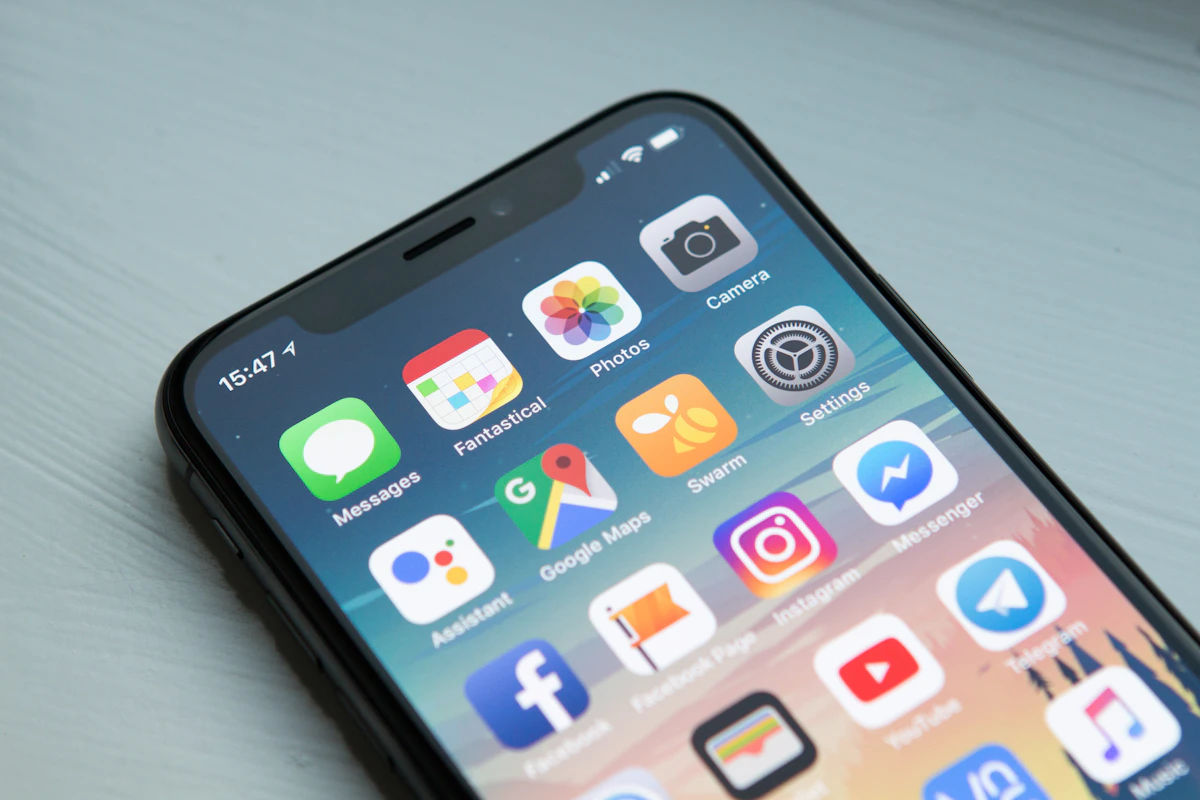
The launch of the iPhone in 2007 drew attention to a different model: a large touchscreen, a software-led interface and a device designed to handle media, web browsing and applications alongside telephone calls. Other manufacturers developed competing smartphones, and app marketplaces encouraged the phone to become a platform for many separate services.
Today’s smartphones depend on extensive infrastructure beyond the handset itself: radio networks, undersea cables, data centres, satellite systems and standards maintained across countries. Their history is therefore also a history of communication networks, industrial design and changing expectations about being reachable.
The lasting significance of the mobile phone
The history of mobile phones is often told as a story of shrinking hardware. That is true, but it is only part of the picture. The more consequential change was the growing number of tasks gathered into one portable object: calling, writing, taking photographs, reading maps, listening to media and accessing online services.
For readers tracing related developments, the history of electricity helps explain the systems behind electronic devices, while the development of wireless networking provides useful context for later internet-connected phones.